
Used Car Inspection Checklist: 7 Tests You Should Do Before Signing Anything
A practical 7-point inspection checklist used by an Orlando car dealer with 14+ years of experience. What to test, what to look for, and how to spot deal-breakers in 15 minutes.

You know that moment when you're already excited about a car, you've imagined your family inside, and the seller says "so, ready to sign?" — and you sign without really checking anything?
That's how people get burned.
After 14 years selling pre-owned vehicles in Orlando, FL, I've seen every kind of "deal" turn into a $5,000 mistake. Here are the 7 things I personally test on every used car — without exception. They take 15 minutes total and they're not a substitute for a professional mechanic, but they eliminate 80% of the obvious problems before you waste money on an inspection.
1. Headlights, brake lights and turn signals
Sit in the driver's seat. Have someone outside walk around the car while you cycle through:
- Low beams, high beams
- Left turn signal, right turn signal, hazard
- Brake lights (press the pedal — both sides should light up)
- Reverse lights (shift to R)
- Fog lights if equipped
Why it matters: every burned-out bulb is a sign of neglected maintenance. If the seller didn't bother to replace a $3 bulb, what else didn't they bother to fix?
2. Air conditioning (Florida-critical)
Start the car. Set A/C to MAX, lowest temperature, recirculate ON. Wait 3 minutes.
The air should be noticeably cold within those 3 minutes — not "kind of cool". You should feel goosebumps if you stick your hand in front of the vent.
If it doesn't cool fast or smells musty:
- Compressor problem: $800-$2,000 repair
- Refrigerant leak: $300-$600
- Evaporator: $1,500+
In Florida, no A/C is a deal-breaker. Use it as negotiation leverage, or walk away.
3. Check the oil yourself (don't let the seller do it)
This one is golden. The seller usually wants to "show you" the oil — don't let them.
You open the hood. You pull the dipstick. Wipe it on a paper towel. Re-insert. Pull again. Now read it.
What you're looking for:
- Honey/amber color = recently changed. Good.
- Black like coffee = haven't changed it in a long time. Negotiation point.
- Milky / coffee-with-cream consistency = water mixed in = blown head gasket. Walk away immediately.
- Metallic glitter = engine is wearing internally. Walk away.
Also smell the oil cap. Burned oil smell = engine running too hot.
4. Trunk floor + spare tire well
Open the trunk. Lift the carpet. Look at the spare tire well underneath.
What you're looking for:
- Wet or damp carpet = water leak (probably from rear window seal or trunk lid)
- Rust spots in the well = car has been flooded before, or trunk leaked water for years
- Mismatched paint = rear-end collision repair
This is where flood-damaged cars give themselves away. Florida has tons of those after every hurricane season.
5. Tire tread (the "quarter test")
Take a US quarter. Insert it head-down between the tread grooves of each tire.
- If George Washington's head is fully visible: tires are bald. Replace immediately = $400-$800 for all four.
- If you can just barely see his hairline: tires are worn but legal. Negotiate.
- If half his head is covered: tires are healthy.
Also check if all four tires are the same brand and model. Mismatched tires often mean someone replaced one or two cheaply, which means alignment or suspension issues forced the replacement.
6. Brake rotors (visible through the wheels)
Bend down and look between the spokes of the wheel. You'll see the brake rotor (the metal disc).
The surface should be smooth and shiny. If you see:
- Deep grooves running in circles → rotors need to be replaced soon ($300-$500 per axle)
- Heavy rust → car has been sitting a long time
- Blue/discolored areas → brakes have overheated (often from heavy braking on hills, or sticking caliper)
7. The 60 mph test drive
Take the car to a wide, straight road (not the parking lot). Accelerate to 60 mph.
What you're feeling for:
- Car pulls to one side without you steering = bad alignment ($100), suspension worn ($300-$1,500), or warped frame (deal-breaker)
- Steering wheel vibrates at 60+ = tire balance ($60), bent rim, or worn suspension component
- Vibration only when braking = warped rotors ($300/axle)
- Engine hesitates or jerks at acceleration = transmission issue (potentially $3,000-$5,000)
Also test:
- Hard brake (when safe): does it stop straight? No grinding sound?
- Reverse and park: smooth shifts? Any clunks?
- U-turn full lock: any clicking from CV joints?
Bonus: The "is anything weird" test
Sit quietly in the driver's seat for 30 seconds with the car off, A/C off, radio off. Just look around.
- Smell anything unusual? Mold = water damage. Cigarettes = will be hard to remove.
- Carpet wear consistent with the mileage? 50,000-mile car shouldn't have completely worn pedal pads.
- Any wires hanging under the dash? Probably had aftermarket alarm or stereo that was poorly removed.
Trust your gut. If something feels off, it probably is.
What this checklist won't catch
These 7 tests catch 80% of obvious problems. But they won't catch:
- Internal engine wear that hasn't shown symptoms yet
- Transmission that's about to fail at 100k miles
- Frame damage that was professionally repaired
- Computer error codes (need an OBD-II scanner)
For those, always pay $100-$150 for a Pre-Purchase Inspection (PPI) at an independent shop before closing. Especially if you're buying a car above $10,000.
The dealer test
Here's a bonus test specifically for dealers (not private sellers):
Ask: "Can you show me the most recent oil change record? And the brake inspection? And tell me what you replaced before putting this on the lot?"
A real dealer who reconditions cars before sale will have records and will love telling you what they did. A flipper who just bought it at auction yesterday will dodge the question.
We do this at Next Gear Remarketing because we believe a customer who knows what they're buying becomes a customer for life.
FAQ
How long should the test drive be? Minimum 20 minutes. Include city, highway, and at least one bumpy road. If the dealer rushes you, that's a red flag.
Can I bring my own mechanic? Yes. A reputable dealer welcomes a Pre-Purchase Inspection. If they refuse, walk away — there's something they don't want a mechanic to find.
What if the car passes all 7 tests? Great — proceed to: (1) VIN history check (NMVTIS), (2) PPI at independent shop, (3) negotiation. Don't sign yet.
Is it OK to buy a car "as-is"? "As-is" means the dealer is not responsible for repairs after sale. It's legal in Florida. But the more "as-is" the dealer is, the more critical your inspection becomes.
Looking at a car in the Orlando, FL area and want a second opinion? Send us a message. We're happy to give honest feedback on any used car listing — whether it's from us or from someone else. Brazilian, Hispanic and English-speaking communities welcome.
Looking for a quality used car in Orlando?
We've helped the Brazilian, Hispanic and English-speaking communities find reliable vehicles for over 14 years.
Continue reading

5 Errores que Cometen los Recién Llegados a Orlando al Comprar Carro
He visto a gente buena perder $3,000 en una sola tarde por no saber tres cosas básicas. Errores que se evitan completamente si alguien te los explica antes.

O número que salva seu dinheiro antes de comprar qualquer carro usado
Antes de ver a cor do carro, antes de testar o ar condicionado, antes de perguntar o preço — você precisa do VIN. 17 caracteres que podem economizar 8 mil dólares.
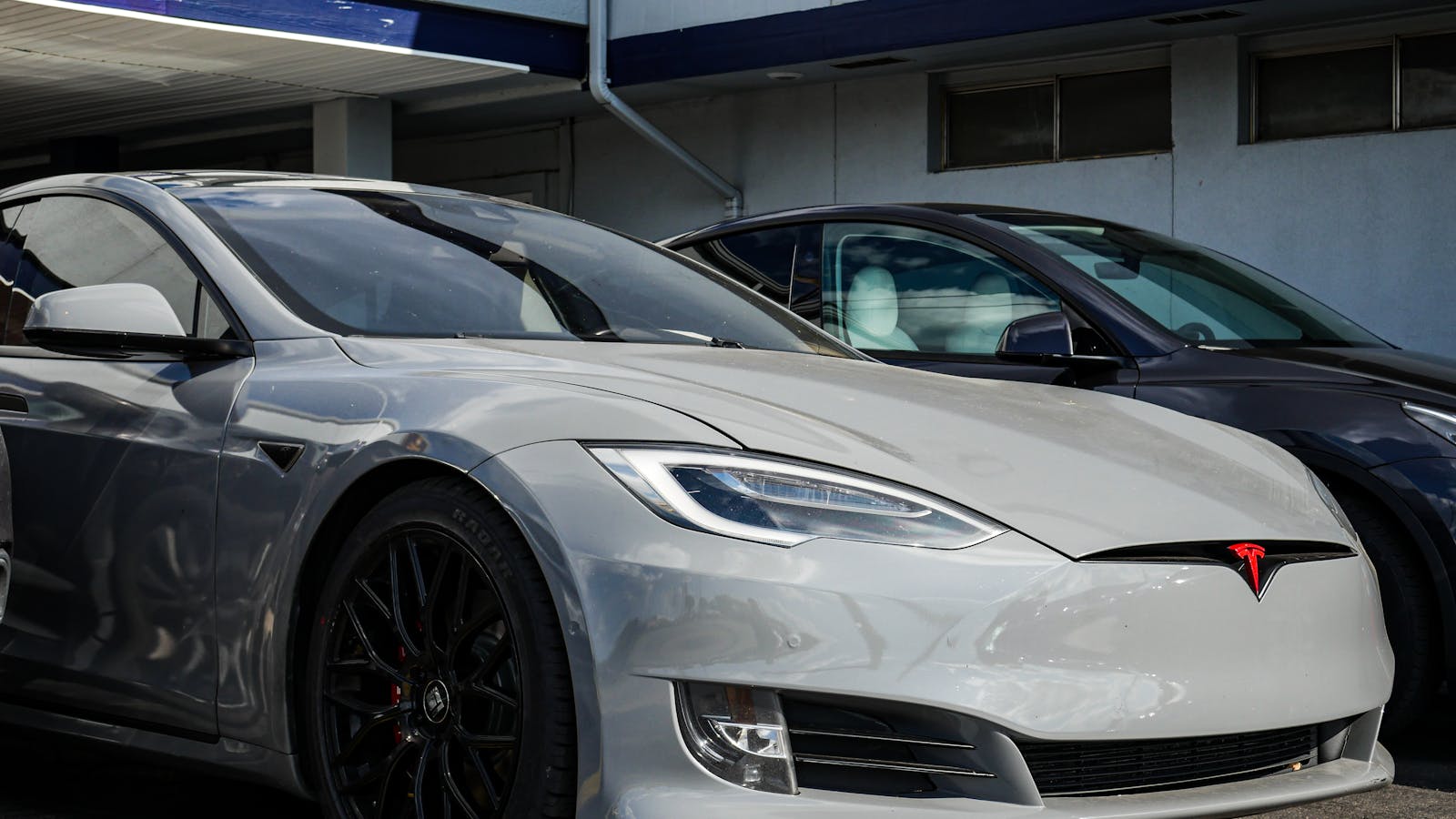
2014 Tesla Model S P85 Review: Is a 12-Year-Old Tesla Worth It in 2026?
People see $14,900 Tesla and they stop thinking. I need you to think. Here's what 10 years of watching used EVs move through the market has taught me about this specific car.